

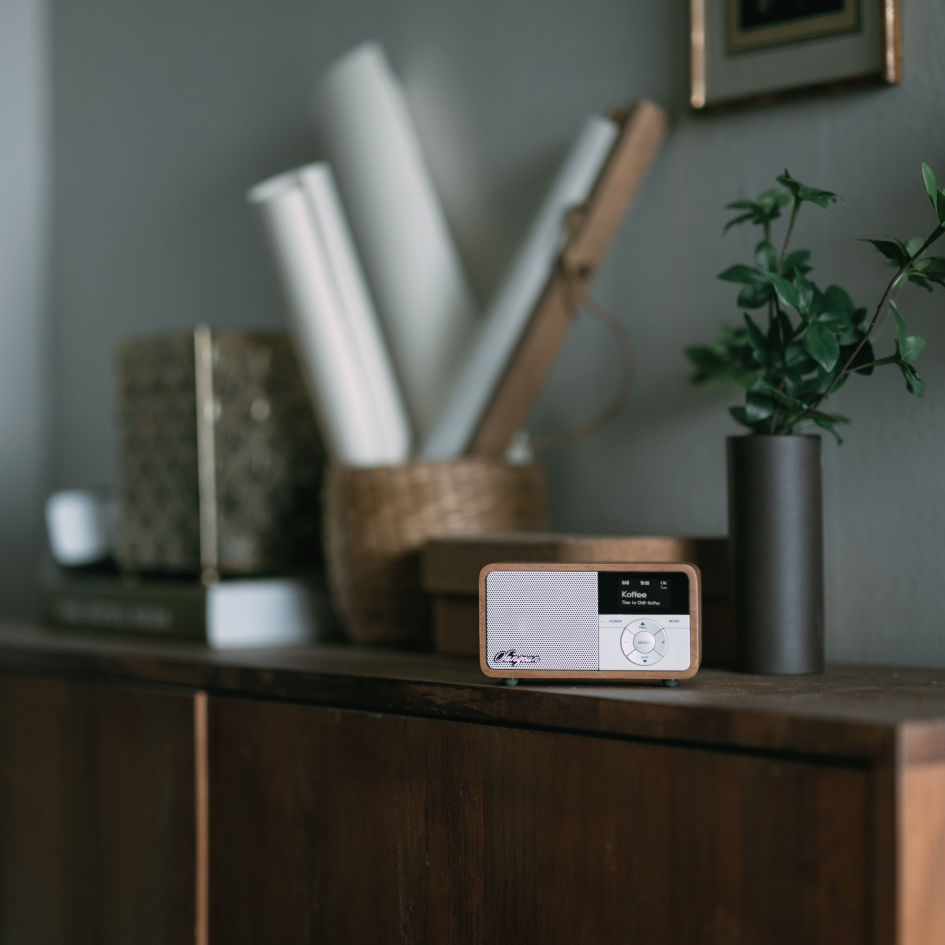
DAB radio has increasingly become popular in this digital era and is short for Digital Audio Broadcasting. Let’s look at how this technology works, the advantages, and the best models to buy.
What is a DAB radio?
Before we look at how DAB works, it helps to understand its origins. DAB technology dates back to 1981, when development began at the Institut für Rundfunktechnik in Munich. It later became part of the Europe-wide Eureka 147 research project.
DAB uses digital broadcasting technology to transmit radio services. Traditional DAB uses MPEG Audio Layer II audio coding to compress audio before transmission, while the newer DAB+ standard uses the more efficient HE-AACv2 audio codec. These audio coding technologies reduce the amount of data needed by removing or simplifying sounds that are less noticeable to the human ear.
DAB also uses COFDM, or Coded Orthogonal Frequency Division Multiplexing, a modulation technique that helps make the signal more robust, especially in environments where reflections or movement can affect reception.
Unlike traditional FM broadcasting, where each station typically needs its own frequency, DAB allows broadcasters to combine multiple radio services into one digital multiplex. This makes more efficient use of spectrum and allows the multiplex to carry audio, data, service information, and built-in error protection to help reduce transmission errors.
What is the difference between DAB and FM?
FM stands for frequency modulation, which means that the frequency of a carrier wave is varied to carry the audio signal. Although FM generally offers better sound quality than AM, its signal can still be affected by fading. Mountains, hills, buildings, and other structures may weaken or block FM signals.
In contrast, Digital Audio Broadcasting, or DAB, is designed to be more robust against multipath interference. It uses technologies such as COFDM and error protection to help maintain stable reception. In a DAB network, nearby transmitters can also operate on the same frequency block as part of a single-frequency network, reducing the need to retune while moving between coverage areas. However, DAB reception is not completely free from signal problems. When the signal becomes too weak, the audio may break up or disappear entirely.
In addition, DAB is easier to tune than traditional FM. Instead of adjusting a dial to find the strongest frequency, listeners can simply select a station name from a menu, and the radio will tune to the appropriate digital service automatically.
How is DAB radio different from Internet radio?
DAB/DAB+ and Internet radio are both digital ways to listen to radio, but they work in different ways. DAB/DAB+ receives terrestrial digital broadcast signals from stations available in your area, while Internet radio streams stations from around the world through an internet connection. This means DAB/DAB+ does not require Wi-Fi or mobile data, but the stations you can receive depend on local or national coverage.
Benefits of DAB radio
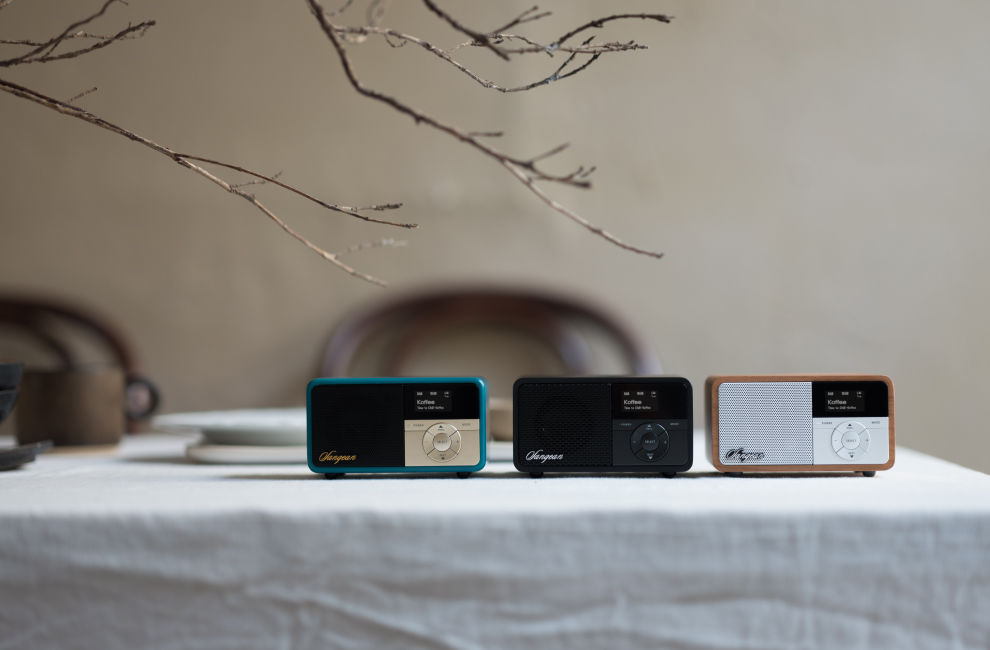
If you are looking for clearer digital reception, easier tuning, and useful on-screen information, DAB radio is a great choice!
Clear digital sound
One of the key benefits of DAB radio is clear digital audio. Unlike analogue radio, which can become noisy as the signal weakens, DAB tends to maintain clear audio until the signal drops below a certain threshold. It is also designed to reduce problems such as multipath interference and background noise.
More station choices
Compared with traditional FM, DAB can offer listeners a wider choice of stations, including some stations that are available only on digital platforms. It also allows the radio to scan available services and present them in a station list, making it easier for users to browse and select stations.
Easier tuning
With DAB radio, there is no need to remember frequency numbers or adjust a dial to find the strongest signal. Instead, listeners can simply choose a station name from the menu, and the radio will tune to the appropriate digital service automatically.
Useful display information and extra features
DAB radios can display useful information such as the station name, programme details, track information, news, or traffic updates, depending on what the broadcaster provides. Some DAB radio models may also include additional features such as Bluetooth, Wi-Fi internet radio, podcast access, or automatic clock updates.
Best DAB radios to buy
Keep in mind that DAB services are broadcast on a spectrum band that is available in many European countries. Here is a list of our top devices you can find in the EU market:
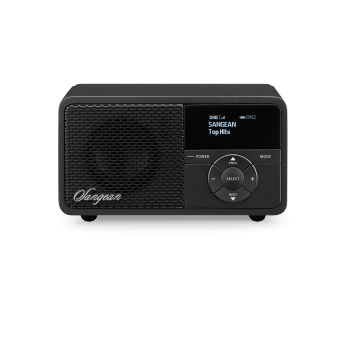
DDR-7X
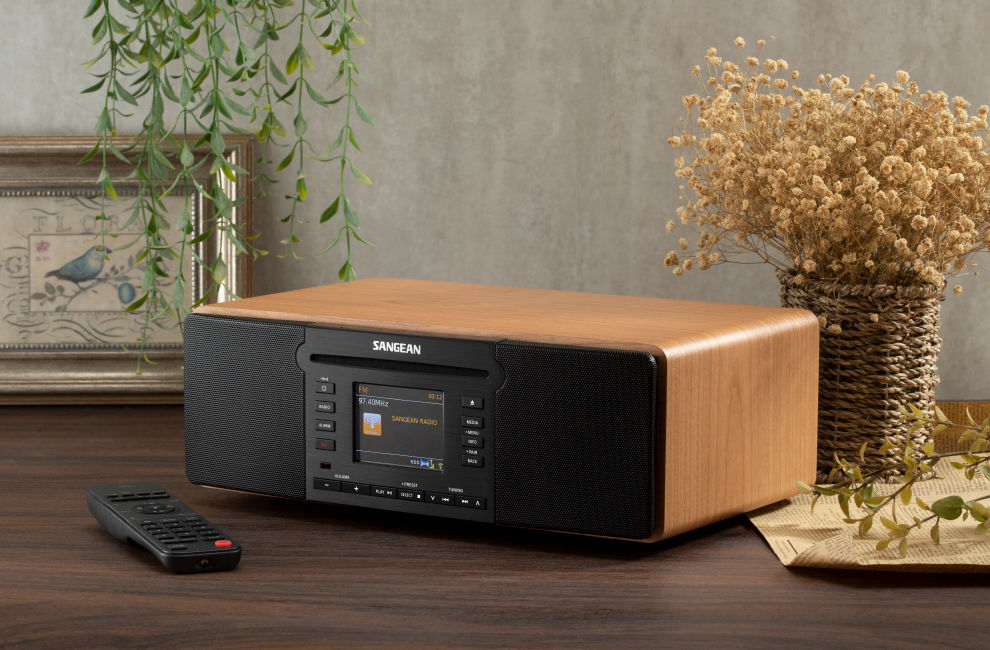
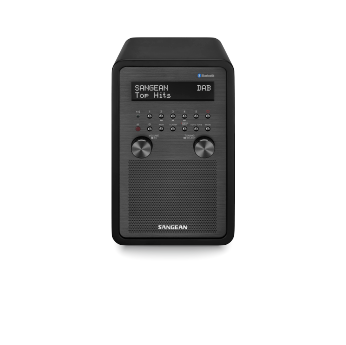
The SANGEAN DDR-7X features a classic design with a real wood veneer cabinet finish. Its acoustically tuned wooden cabinet enhances sound quality. It also has built-in Bluetooth for wireless music streaming, along with a Bluetooth pairing LED indicator. This wooden cabinet radio features manual tuning, menu selection, and an easy-to-read LED display. You can also use the AUX input to connect other audio sources, including smartphones and MP3 players. Find DDR-7X here.
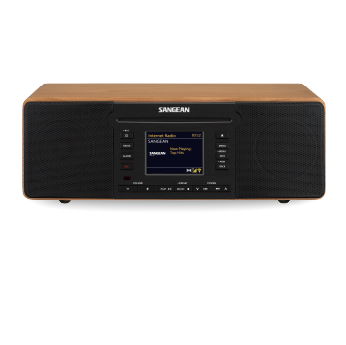
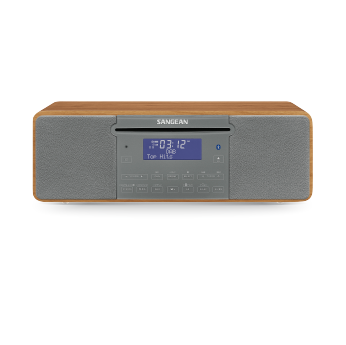
DDR-66BT
If you are looking for a stylish DAB radio that complements any home décor, the DDR-66BT is an excellent choice. It features an elegant design with an acoustically tuned wooden cabinet. It also comes with modern radio features to ensure you never miss a beat.
The DDR-66BT offers versatile listening options, including a CD player and Bluetooth connectivity, so you can enjoy your MP3 music collection with ease. A large LCD screen is positioned between two powerful medium-sized speakers. The screen displays important information such as the clock, track title, and current station.
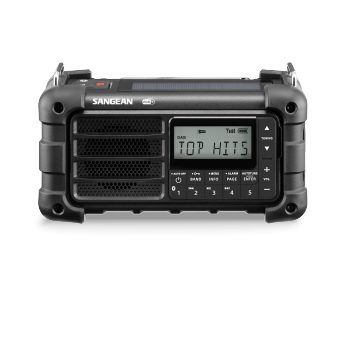
MMR-99DAB
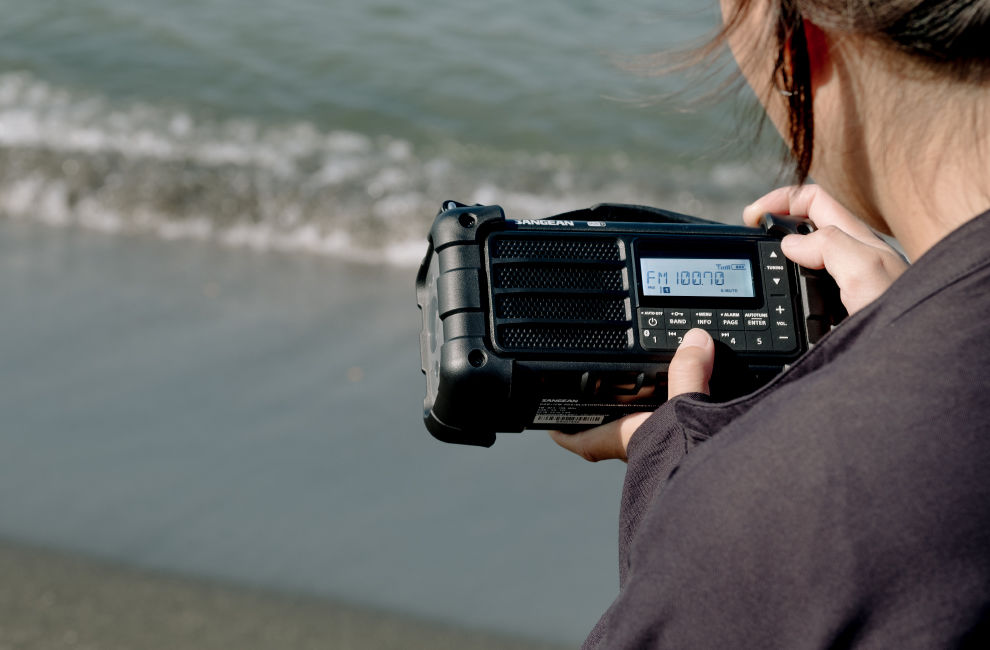
The MMR-99DAB is a versatile rechargeable emergency radio. With its wide range of features, it is suitable for a variety of activities. The first thing you’ll notice is its rugged design and large side-mounted flashlight.
This radio is both dust- and water-resistant, making it ideal for challenging conditions. You can take it hiking, camping, to job sites, outdoor events, while traveling, and much more. On top of that, it offers three charging options: USB-C, solar panel, and hand-crank charging.
It is available in several colors to match your style. Other standout features of the MMR-99DAB include a built-in clock, FM mode, AUX input, red light, and hand strap.
Conclusion
Over the years, radio technology has evolved significantly. From cassette players and CD players to modern systems with Bluetooth and MP3 playback, audio technology has continued to advance. DAB+ represents one of the latest developments in digital radio broadcasting.
Compared with analogue FM radio, DAB+ uses spectrum more efficiently, allowing broadcasters to offer more services within a given bandwidth. Broadcasters can also allocate different audio quality levels depending on the type of content, such as lower bit rates for speech-based programmes and higher quality for music.
Are you looking for DAB or DAB+ devices? SANGEAN has been a professional radio manufacturer since 1974. With decades of experience, we provide high-quality products equipped with the latest technology. We are committed to offering reliable devices that meet our customers’ needs. For more information about us or get a quote, reach out to SANGEAN.


_A01.jpeg)